
Vibrant Children’s Books Made for Repeated Reading
SunTop Printing completes full-color offset printing and binding in-house to reproduce vibrant illustrations with fine detail and keep pages and covers firmly joined through repeated reading.
A physical pre-production sample lets you review illustration color, paper or board, binding, and surface finish before full production.

1998
Founded
50,000 m²
Printing Factory
50+
Printing Presses
10,000+
Customers Worldwide
Custom Children’s Book Printing in Softcover, Hardcover, and Board Book Formats

Softcover Picture Books and Storybooks
Paper pages sit beneath a flexible cover. Saddle stitching forms a slim folded spine, while perfect binding creates a square spine for books with more pages.

Hardcover Children’s Books
A rigid case surrounds a paper book block. Standard paper pages allow longer stories and higher page counts in a more compact book than thick board pages.

Board Books for Babies and Toddlers
Board books use thick board pages with either a self-cover made from the same board or a separate rigid case. The pages are easy for small fingers to turn, with smooth rounded edges and wipe-clean surfaces for repeated handling.

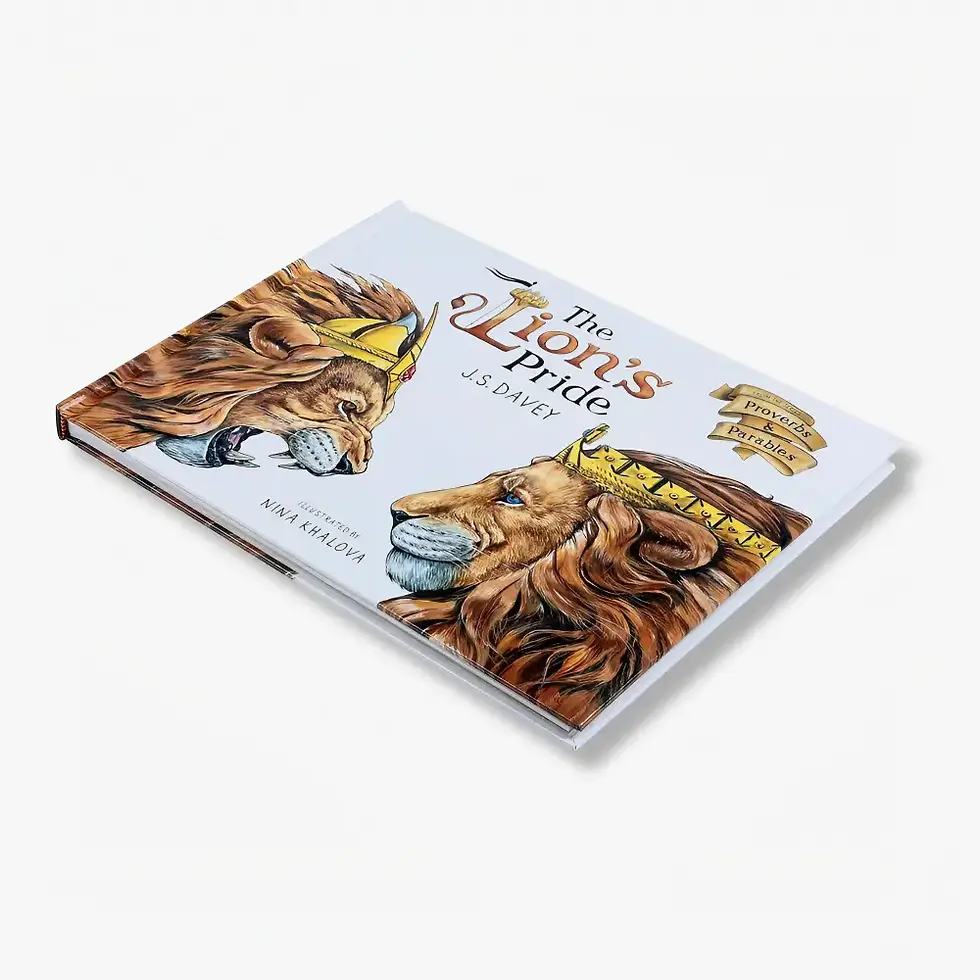

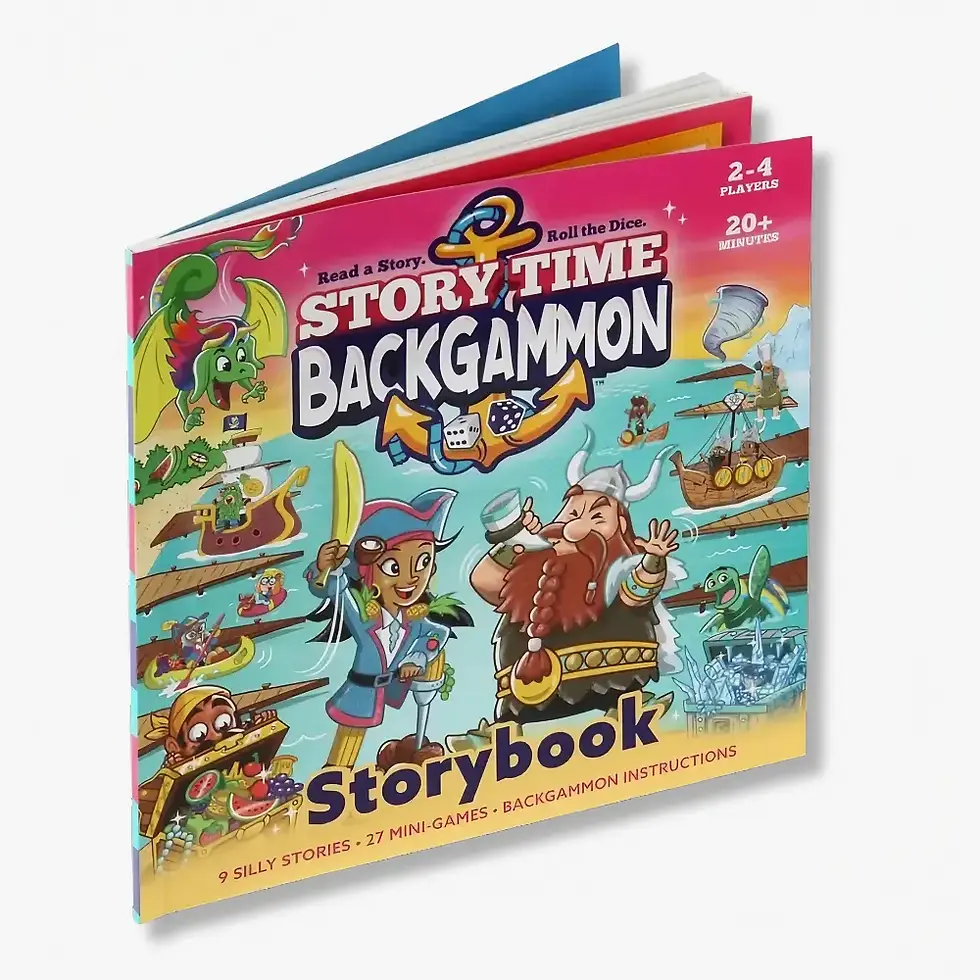
Illustration Color and Detail from Interior Pages to the Cover
Coated paper gives children’s book illustrations more saturated color and sharper detail. Uncoated paper gives the artwork a softer, more natural appearance and leaves the paper texture visible.
SunTop Printing completes full-color offset printing in China on Heidelberg presses, using G7 Master color management and ISO 12647 process control to reproduce vivid CMYK illustrations and fine linework on covers and interior pages.
Gloss lamination or varnish adds shine and makes bright cover artwork stand out. Matte lamination or varnish reduces glare and gives the cover a softer appearance.
Smyth-Sewn Hardcover Children’s Books
Hardcover children’s books are opened and read repeatedly. Their binding depends on two connected stages: sewing folded signatures into a book block, then joining that book block to the rigid case through the endpapers.
SunTop Printing completes both stages in-house, from Smyth sewing to case binding.

Smyth-Sewn Book Blocks
The Meccanotecnica asterPRO sews folded signatures through the fold to form a Smyth-sewn book block. Thread joins each signature to the next before the hardcover case is attached.

Case Binding with Endpapers
The KOLBUS BF520 Fully Automatic Hardcover Book Production Line completes case binding. The endpapers join the sewn book block to the inside of the rigid case, keeping the interior and cover firmly connected through repeated reading.
Board Book Printing with Thick Pages, Rounded Corners, and Wipe-Clean Surfaces

Two-Layer White Board Pages
Two 350–400 gsm C1S or C2S white boards form each thick page. The white surfaces that remain visible after folding and mounting carry the illustrations.
The Zechini Red Arrow 2 automatically folds each pre-creased printed spread into a four-page signature, applies glue, and mounts successive signatures back to back to form an aligned board book block. The mounted layers create thick pages that small fingers can grasp and turn easily.

Greyboard Core Pages
Printed face sheets are laminated and mounted to both sides of a greyboard core. The face sheets carry the illustrations and provide the visible page surfaces, while the greyboard supplies the page thickness and stiffness.

Rounded Corners and Smooth Page Edges
A 6–12 mm corner radius forms smooth rounded corners and reduces wear at the most exposed part of each page. Clean trimming and edge finishing leave the thick board pages smooth through repeated handling.

Spine Scoring and Surface Protection
A score line beside the binding edge forms a hinge that lets each thick page open without pulling against the mounted layers.
Lamination adds a continuous protective film that improves scuff resistance and makes the illustrated surfaces easier to wipe clean. Varnish adds a protective coating directly to the printed surfaces.
Even mounting, clean edge finishing, and the scored hinge reduce glue-line opening, edge curl, and delamination during repeated handling.
Children’s Book Samples and Third-Party Test Reports
Pre-Production Book Samples
A pre-production sample for picture books, storybooks, and hardcover children’s books lets you review illustration color, paper, cover finish, and binding. For board books, the sample also shows the mounted pages, rounded corners, page edges, and laminated or varnished surface.
Material Records and Third-Party Test Reports
FSC chain-of-custody documentation identifies the certified paper claim on the relevant order documents. Material records identify the inks, adhesives, lamination, and varnish used in the submitted test book and link them to its batch record.
The third-party laboratory report identifies the submitted book, test methods, and results. Reports for the United States include applicable CPSIA test results that form the basis of the CPC, plus relevant ASTM F963 results for books classified as toys. Reports for the EU toy market include relevant EN 71 results.
Ethical Supply Chain Program audit documentation is provided separately for responsible sourcing and factory audit review.


Final Inspection for Children’s Books
Before shipment, SunTop Printing completes 100% outgoing inspection against the approved sample and order specifications.
Cover and interior illustration colors are compared with the approved sample. For hardcover children’s books, the connection from the sewn book block through the endpapers to the rigid case is checked.
Board books are checked for smooth rounded corners, clean page edges, and complete, even lamination or varnish coverage. Mounted pages are also checked for glue-line opening, edge curl, and delamination.
Children’s Book Printing Questions
SunTop Printing is a strong choice for children’s books that need vibrant illustrations, bindings that remain secure through repeated reading, and board book pages with smooth rounded edges and wipe-clean surfaces.
SunTop controls in-house full-color offset printing through G7 Master color management and ISO 12647 process control. Meccanotecnica asterPRO forms Smyth-sewn book blocks, KOLBUS BF520 completes case binding, and Zechini Red Arrow 2 folds, glues, and mounts pre-creased printed spreads into aligned board book blocks.
Pre-production samples show the book’s color, materials, binding, and surface finish before the full run. Third-party reports record test methods and results, and 100% outgoing inspection checks the order before shipment.SunTop Printing produces picture books and storybooks in softcover and hardcover formats, plus board books for babies and toddlers. Softcover formats include saddle-stitched and perfect-bound books. Hardcover formats use Smyth-sewn book blocks and case binding, while board books use either a self-cover or a separate rigid case.
Board book pages use either two 350–400 gsm C1S or C2S white boards mounted back to back, or printed and laminated face sheets mounted to both sides of a greyboard core. For board book blocks made from pre-creased printed spreads, Zechini Red Arrow 2 folds each spread into a four-page signature, applies glue, and mounts the signatures back to back to form an aligned book block.
Thick pages are easy for small fingers to grasp and turn. A 6–12 mm corner radius and smooth page edges reduce wear at exposed corners and edges. Spine scoring forms the opening hinge, while lamination or varnish protects the illustrations and makes the page surfaces easier to wipe clean.
Even mounting, clean edge finishing, and the scored hinge reduce glue-line opening, edge curl, and delamination during repeated handling.
Pre-production samples let customers review illustration color, paper or board, cover finish, binding, rounded corners, page edges, and surface protection before the full run. Material and batch records identify the paper, inks, adhesives, lamination, and varnish used in the submitted test book.
Third-party reports record the test methods and results. Reports for the United States include applicable CPSIA test results that form the basis of the CPC, plus relevant ASTM F963 results for books classified as toys. Reports for the EU toy market include relevant EN 71 results.
Ethical Supply Chain Program audit records separately cover responsible sourcing and factory review.

Send Children’s Book Details
Send the children’s book details you already have. A short description is enough to start.
You can include the book format, size, page count, quantity, paper or board, binding, rounded corners, surface finish, delivery country, and artwork status.
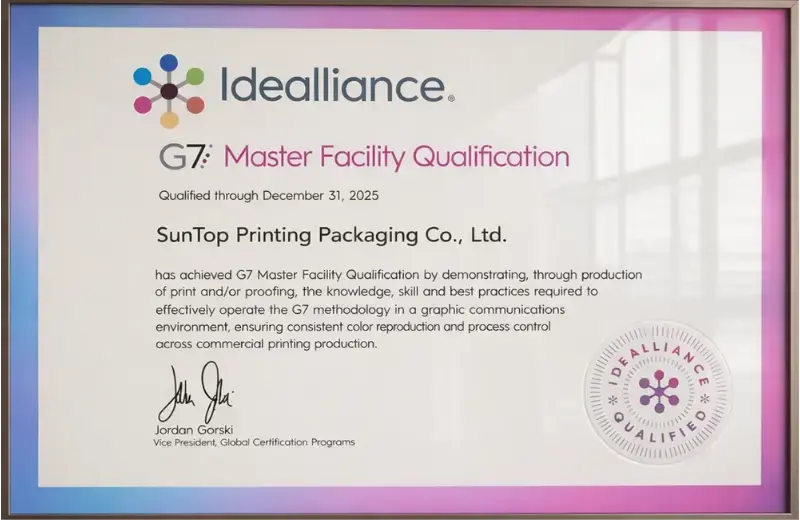
G7 Master Color Management
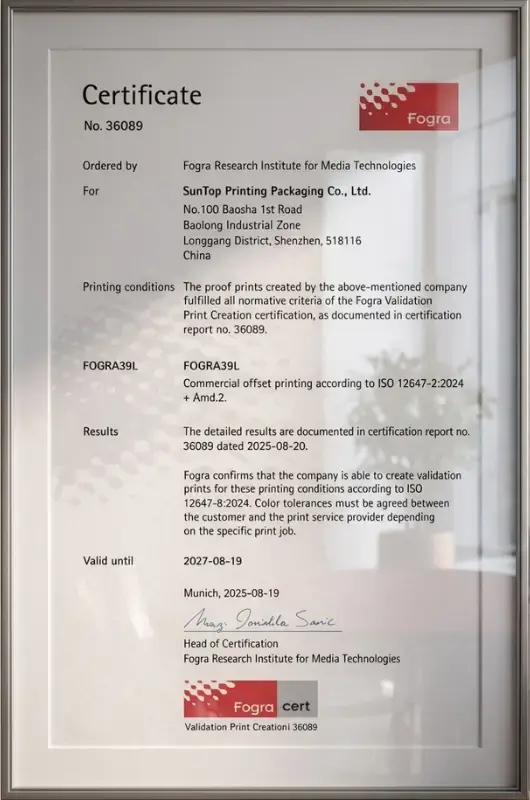
ISO 12647 Printing Standard
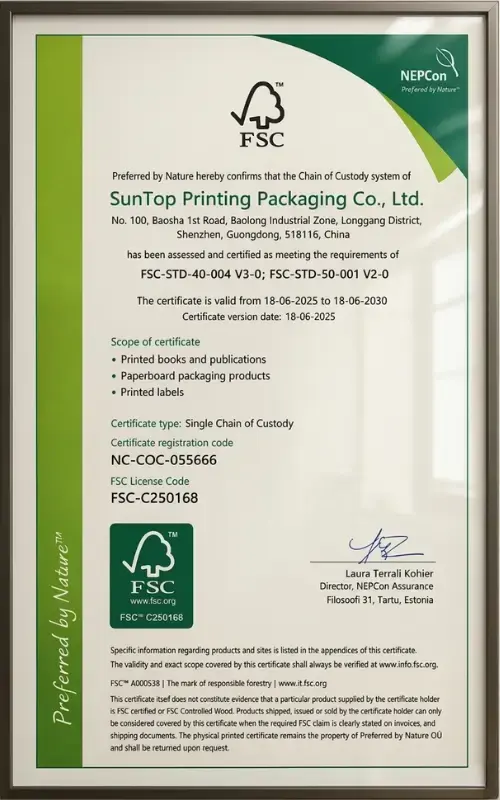
FSC® Paper Options