
Custom Bottle Labels with Strong Color, Confirmed Finish, and Competitive Cost
SunTop Printing specializes in custom bottle label printing for jars, cosmetic bottles, supplement bottles, and bottle label projects that need strong color, clear or white label effects, confirmed finish, and competitive cost.
SunTop Printing is a Shenzhen-based printing and packaging manufacturer producing bottle labels with in-house production, color checking, surface finishing, and finished-label review.

1998
Founded
50,000 m²
Production Facility
50+
Printing Presses
10,000+
Customers Worldwide
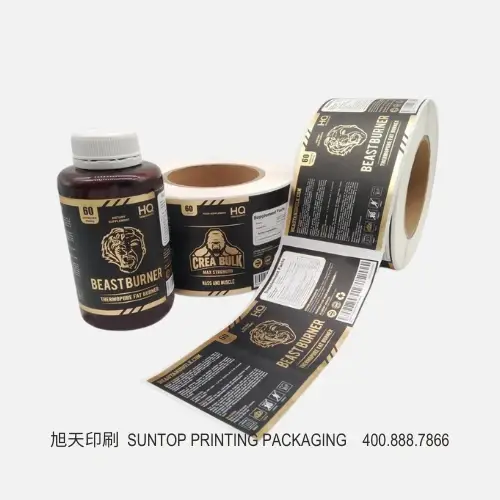


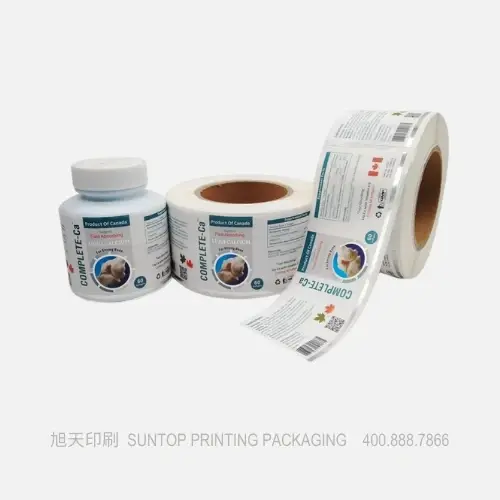
Bottle Labels, Jar Labels, Cosmetic Bottle Labels, and Supplement Bottle Labels
SunTop produces bottle labels, jar labels, cosmetic bottle labels, and supplement bottle labels as custom bottle label orders.
SunTop can start from the bottle label request you already have and confirm any missing details needed for a quote.

Color, Finish, and Bottle Label Printing Results
A custom bottle label should show strong color, the required surface effect, and clean printed details on the finished label.
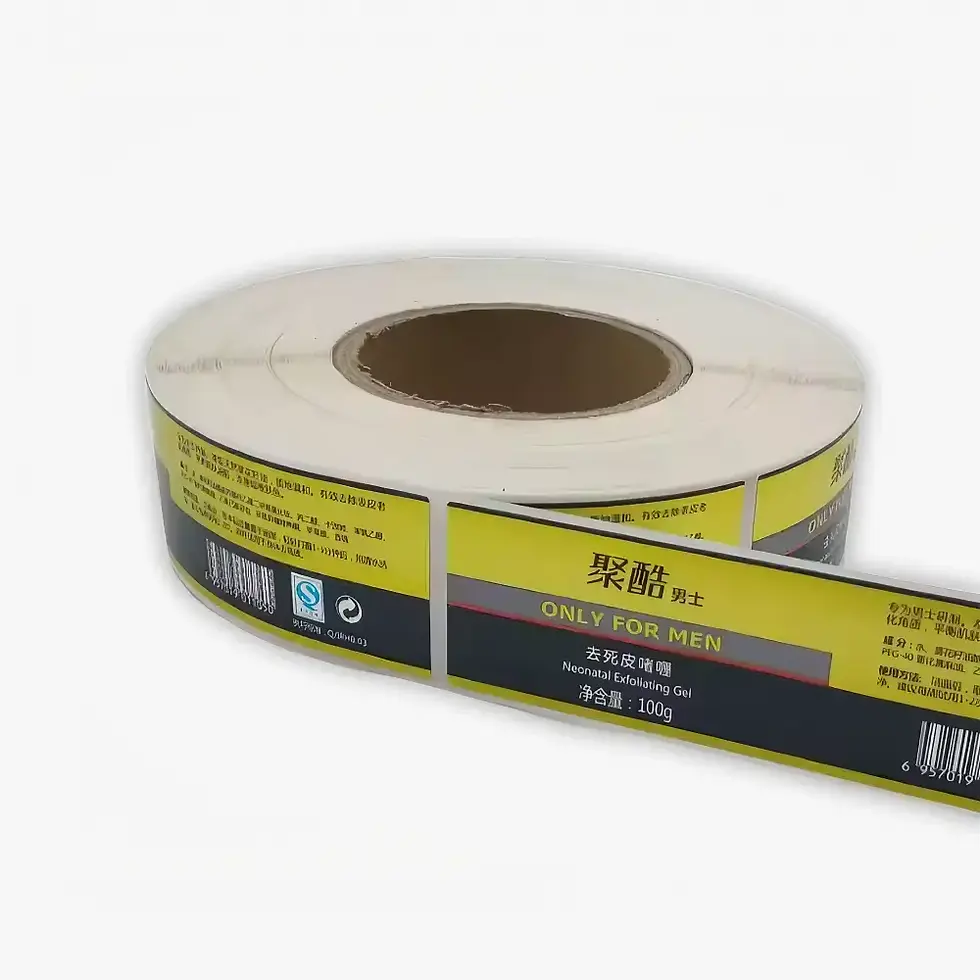
Strong Color for Bottle Labels
Brand colors, logo colors, solid color areas, and Pantone colors can be produced for custom bottle label projects.

Clear, White, Metallic, and Durable Finish Effects
Clear, white, metallic, foil, varnish, lamination, and white ink details can create the confirmed bottle label finish, with stronger surface protection when the project requires it.

Small Text, Barcodes, and Finished Edges
Small text, barcode readability, QR code areas, label size, label shape, cut edge, and white ink areas are checked with the bottle label file.

Bottle Label Cost, Production Time, and Delivery
SunTop quotes bottle labels around your actual request, including label size, quantity, material, finish, SKU or version needs, packing, and delivery details when available.
For cosmetic, supplement, or jar label orders with multiple versions, SKU and version details can be included in pricing and production planning.
Production time is estimated from the artwork status, order quantity, material, finish, and target schedule.
Delivery can be quoted by delivery country, delivery term, target date, and DDP support when applicable.
Cost
Bottle label cost is based on the size, material, finish, quantity, and version details in your request.
Production Time
Production time is estimated from the artwork status, order quantity, material, finish, and target schedule.
Delivery Requirement
Delivery country, delivery term, target date, and DDP support can be included when available.
Bottle Labels Made by SunTop Printing
SunTop Printing is a Shenzhen-based printing and packaging manufacturer for custom bottle label orders.
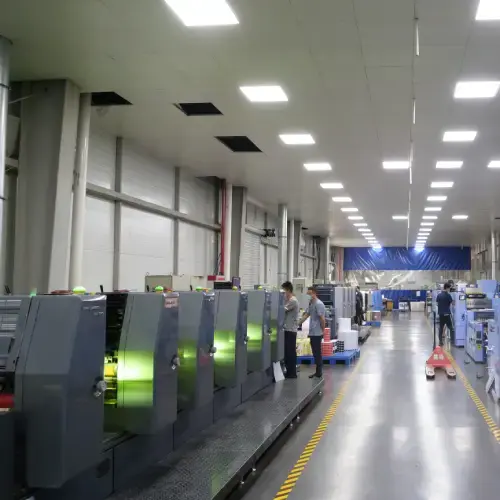
Bottle labels are produced with in-house production, surface finishing, color checking, and finished-label checking tied to the confirmed project.
Approved color references or Pantone requirements guide bottle label color. Finish and material effects can be checked through samples, photos, or production results when needed.
Finished labels are checked before packing, and repeat orders can follow the confirmed color, finish, and version details.
G7 Master Color Management, ISO 12647 print standards, Pantone Color Control, in-house production, and finished-label checking support the bottle label quality customers receive.



G7® Color Management
ISO 12647 Print Standard
Pantone Color Control
FSC® Material Options

Custom Bottle Label Printing Questions
SunTop Printing specializes in custom bottle label printing for bottle labels, jar labels, cosmetic bottle labels, and supplement bottle labels.
Yes. SunTop can produce front labels, back labels, neck labels, and wrap-around bottle labels for bottle and jar projects.
Yes. SunTop can produce bottle labels with clear, white, metallic, foil, white ink, varnish, lamination, and related surface effects.
Yes. Material and finish choices can support water resistance, oil resistance, scuff resistance, or scratch resistance when the bottle label project requires it.
Bottle label cost is based on label size, material, finish, quantity, SKU or version details, packing needs, and delivery requirement.
Use the form or email us with the bottle label request you already have. SunTop Printing will reply with a quote and the next confirmation step.
Request a Custom Bottle Label Quote
Use the form or email us with the bottle label request you already have.
SunTop Printing will review your project and reply with a quote and the next confirmation step.
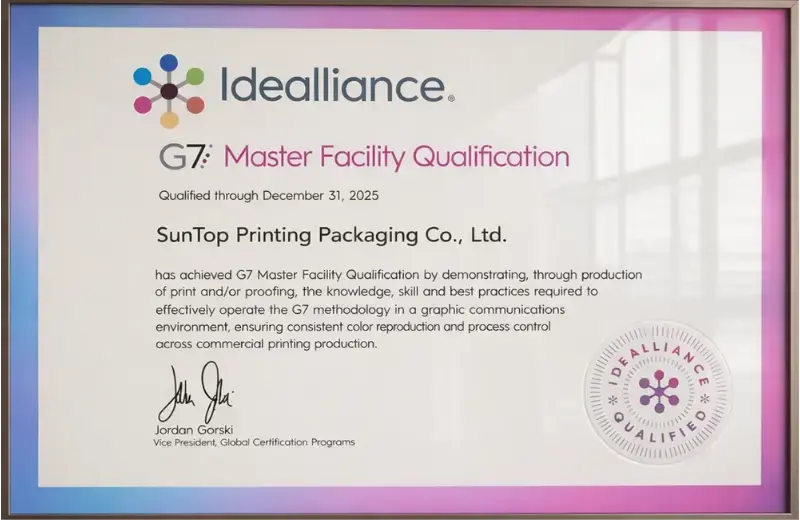
G7® color management
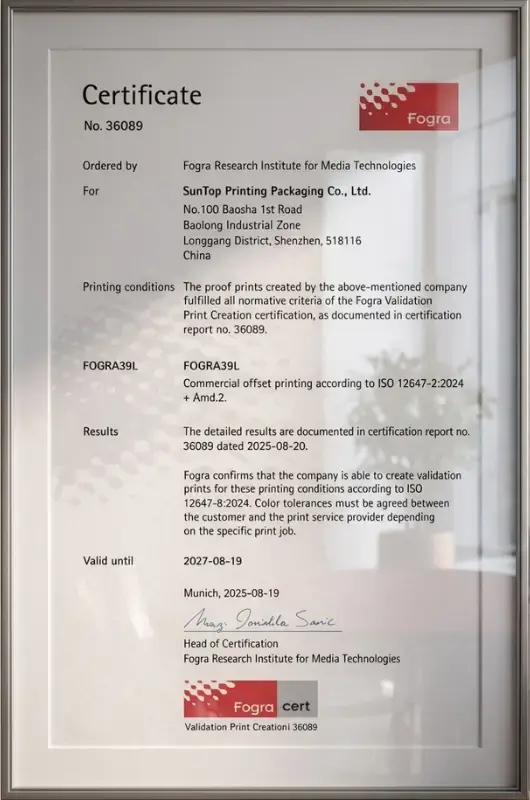
ISO 12647 print standard
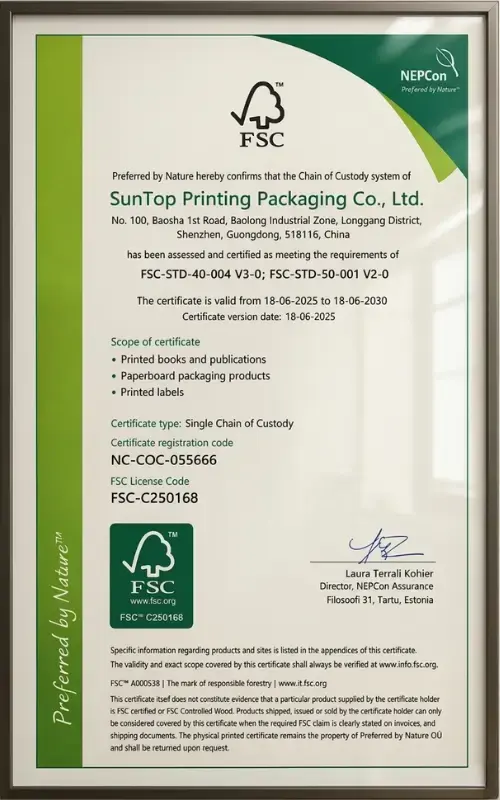
FSC® Material Options