
Custom Label Printing for Defined Product and Roll-Label Programs
Custom label printing prepares defined product labels, printed labels, roll labels, custom roll labels, and pressure sensitive labels for controlled mass production.
SunTop Printing checks whether the supplied label file, material direction, adhesive and surface fit, roll setup, SKU/version logic, replenishment pattern, packing method, and delivery basis can work as one production setup.
Submitted label specifications affect quotation basis, proof approval, color consistency, unwind direction, label application, SKU separation, repeat runs, delivery timing, and handover.
SunTop Printing controls custom label programs through repeatable color review, proof alignment, roll-format and unwind checks, SKU/version coordination, replenishment planning, and production handover.
Confirmed label specifications give SunTop Printing the basis to check production fit, proof reliability, roll requirements, SKU continuity, replenishment logic, and handover readiness before mass production.

Inputs That Shape Production Setup
A custom label program moves toward reliable production when its main inputs are clear enough to support proofing, printing, roll setup, packing, replenishment, and handover.
Inputs That Define the First Run
Product use, label format, size, quantity, material direction, adhesive or application surface, artwork status, and proof basis shape the initial setup.
Setup inputs affect artwork layout, color expectations, barcode areas, white-ink needs, finishing layers, material response, adhesion, and quotation basis.
Inputs That Protect Repeat Runs
Roll format, unwind direction, SKU/version logic, barcode or variable-data details, replenishment pattern, packing method, delivery basis, and approved proof records protect repeat consistency.
Repeat-run inputs affect roll handling, application method, SKU separation, production sequence, reorder accuracy, delivery timing, and handover.
What Must Stay Controlled in Custom Label Production
Custom label printing becomes reliable when the main production controls are clear before proof approval, roll setup, SKU separation, replenishment planning, and production handover.

Size, Shape, and Dieline Control
Label size, shape, corner radius, panel space, gap, repeat length, and cutting path affect artwork placement, die-cut accuracy, barcode readability, roll yield, and finished label consistency.
Wrap labels, front/back label pairs, barcode-area labels, tamper-related labels, small-format product labels, and irregular-cut labels each change artwork control, cutting tolerance, barcode readability, and proof review.

Material, Adhesive, and Surface Control
Material direction, adhesive condition, application surface, finish sequence, opacity, transparency, durability, removability, and print response must work inside the same production setup.
Material, adhesive, and surface factors affect color behavior, adhesion reliability, surface appearance, roll handling, proof expectations, and finished-label performance.

Color, Proof, and Readability Control
Brand colors, photographic areas, small text, barcode zones, white ink, varnish, lamination, and finish contrast need proof alignment before mass production.
Proof control helps keep approved color, readable information, barcode performance, and finishing effects consistent across first production and repeat runs.
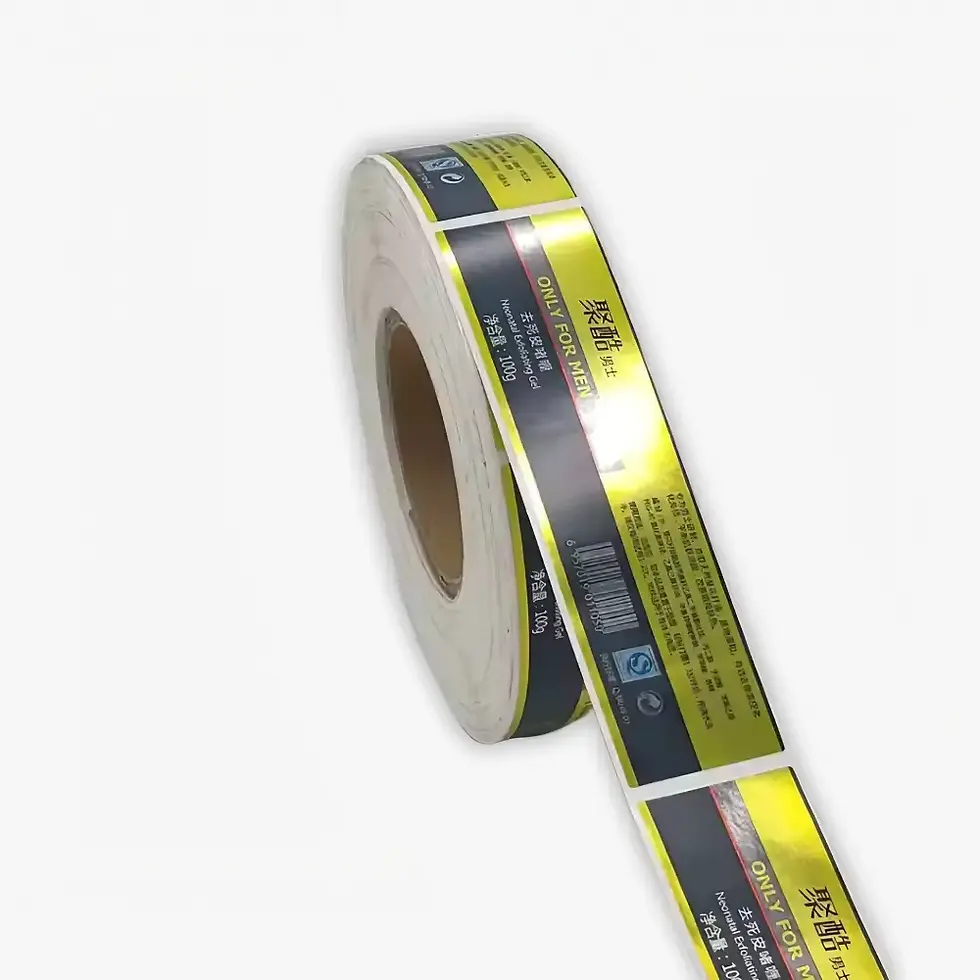
Roll Format and Application Control
Core size, outside diameter limit, liner width, label gap, label orientation, leading edge, feed consistency, and unwind direction can affect label feeding, application direction, packing, and production handover.
Roll-format control reduces the risk of wrong-facing labels, feeding issues, application delays, or roll packing that does not match the customer’s application method.
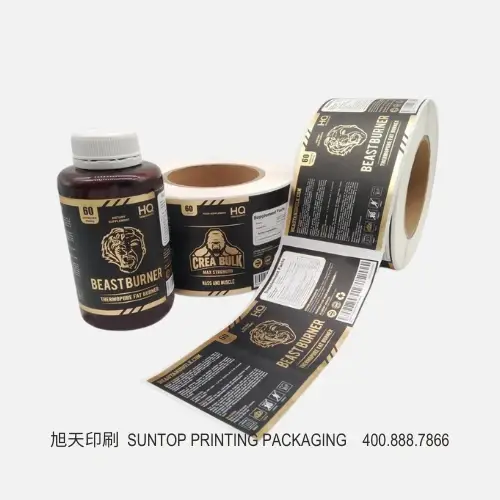
SKU and Version Control
Product names, product codes, barcode changes, ingredient panels, batch areas, warning text, language versions, and version codes must stay separated through proofing, production sequence, packing, and replenishment.
SKU control reduces the risk of proof confusion, wrong-version production, packing mix-ups, and reorder errors.

Replenishment and Handover Control
Approved artwork versions, proof records, roll setup, packing method, delivery basis, reorder rhythm, and SKU update logic affect whether future runs can follow the same production reference.
Handover control helps repeat label programs stay stable across replenishment orders, batch updates, delivery planning, and future production runs.

Roll Format, Application Method, and Production Handover
Roll-label execution depends on how the finished roll will be applied after printing.
A label file may look correct on screen, but the finished roll can still feed in the wrong direction, face the wrong way, apply in the wrong position, or slow the labeling process when roll setup does not match the application method.
Application method affects roll setup
Hand application and dispenser use usually focus on:
-
label orientation
-
roll handling
-
label spacing
-
backing behavior
-
packing practicality
Semi-automatic and machine applications need stricter roll-format review:
-
unwind direction
-
roll orientation
-
core size
-
outside diameter limit
-
liner width
-
label gap
-
leading edge
-
feed consistency
Roll setup details affect whether the finished roll works with application equipment after delivery.
Roll setup can create handover friction
Unclear roll setup can cause:
-
misfeeding
-
upside-down application
-
wrong-facing labels
-
off-position placement
-
slower line operation
-
roll packing that does not match the customer’s application process
Filling, capping, storage, packing, and normal handling can also affect whether the finished roll setup works smoothly after delivery.
SunTop production review before handover
Before labels are released for production, SunTop Printing checks whether application method, roll setup, artwork control, SKU/version logic, packing assumptions, replenishment needs, and handover requirements can stay aligned under the same roll-label setup.
The final roll-label review should confirm:
-
application method and label orientation
-
unwind direction, core size, outside diameter limit, and liner requirement
-
SKU/version separation and packing groups
-
replenishment pattern and handover reference
Right Image ALT
Roll-label format, unwind direction, roll-size constraint, and application-method control for custom label printing
Proof Alignment Before Repeat Label Production
What Can Create Proof Risk
Proof risk usually comes from unstable artwork, changing SKU versions, unclear label size, missing bleed, low-resolution images, weak barcode placement, unclear white-ink areas, or small text that becomes difficult to read after scaling.
Key risk points include:
-
SKU differences across product names, product codes, ingredient panels, batch areas, color bands, warning text, or language versions
-
barcode size, print contrast, quiet area, code type, data sequence, or placement changes across versions
-
serialized barcodes, QR codes, data matrix codes, consecutive numbering, or variable text used with fixed label artwork
-
clear labels, metallic materials, varnish, lamination, or white-underprint areas that change visible-surface behavior after printing and finishing
What Makes Proof Review Reliable
Proof review becomes more reliable when artwork is supplied as a production-ready PDF or editable vector file with final trim size, bleed, dieline or cutline, color references, barcode areas, white-ink layers where needed, SKU list, and controlled version names.
Reliable proof review depends on:
-
300 DPI image quality for photographic elements
-
vector output for logos, icons, small text, barcode zones, cutlines, and technical marks
-
fixed artwork kept separate from variable data when code type, number range, field positions, or placement areas change
-
approved proof records followed before mass production
-
late artwork changes, SKU corrections, barcode changes, or number-range changes reviewed before production release
-
material-direction changes, finish changes, variable-data changes, or roll-format changes reopening proof review when they affect the approved production basis
SunTop Printing aligns label artwork, proof records, SKU differences, color targets, barcode readability, variable-data details, and repeat-run requirements before production handover.
How SunTop Printing Controls Custom Label Production
From its Shenzhen, China production base, SunTop Printing checks proof alignment, roll direction, SKU continuity, material fit, and repeat-order consistency before custom labels move into production.
SunTop Printing keeps custom label production controlled through proof and color review, roll-format and unwind checks, and SKU / replenishment / handover coordination.
Proof and Color Control
SunTop Printing reviews color targets, proof records, barcode readability, white-ink areas, material response, and finishing effects before production release.
Approved proof records give first production, SKU extensions, and repeat runs a shared reference for approved color, readable information, barcode performance, white-ink accuracy, and finishing consistency.
Roll Format and Unwind Control
SunTop Printing checks roll width, core size, outside diameter limit, liner width, label gap, orientation, unwind direction, and packing assumptions against the intended application method.
Roll-format and unwind checks lower the risk of feeding, orientation, application, packing, and handover problems during hand application, dispenser use, semi-automatic labeling, or machine application.
SKU, Replenishment, and Handover Control
SunTop Printing keeps SKU versions, artwork records, barcode changes, proof status, packing groups, reorder references, and delivery basis connected through production planning.
Connected SKU, replenishment, and handover records keep repeat label programs stable when product versions, quantities, replenishment timing, or delivery requirements change.

Repeat-Run Continuity for Label Programs
Repeat label production is more reliable when approved artwork, proof records, SKU logic, roll setup, packing method, reorder rhythm, and delivery basis can carry into the next production run without rebuilding the project.
Approved Production Reference
Repeat orders should follow a clear production reference: approved artwork version, proof record, material direction, roll setup, SKU grouping, packing method, and delivery basis.
A reorder becomes less reliable when the approved reference is unclear, outdated, separated from the correct SKU version, or not connected to the roll-format and packing assumptions used in the previous run.
SKU and Version Update Control
Multi-SKU repeat runs need tighter control when product variants, sizes, language versions, barcode changes, ingredient panels, warning text, batch zones, expiry zones, or version codes change between runs.
SKU updates should be controlled before production so one product change does not reopen the full label program or create confusion in proof approval, production sequence, packing groups, or replenishment records.
Replenishment, Packing, and Delivery Continuity
Replenishment planning affects production scheduling, roll packing, delivery timing, SKU grouping, and future file updates.
Roll format, application method, packing method, destination, delivery basis, and reorder timing should stay aligned with the approved production reference so repeat supply does not require a new setup review each time.
Request Custom Label Printing Review
Submitted label specifications help SunTop Printing review whether a custom label, product label, or roll-label program is ready for controlled production.
SunTop Printing can review proof alignment, roll-format control, unwind direction, SKU/version continuity, production fit, replenishment logic, packing assumptions, and handover readiness based on supplied label specifications.
Useful starting details include label size, quantity, material direction, adhesive or application surface, application method, roll format, unwind direction, SKU count, artwork or proof status, replenishment pattern, delivery basis, and any applicable equipment, barcode, QR code, or variable-data details.

G7® color management
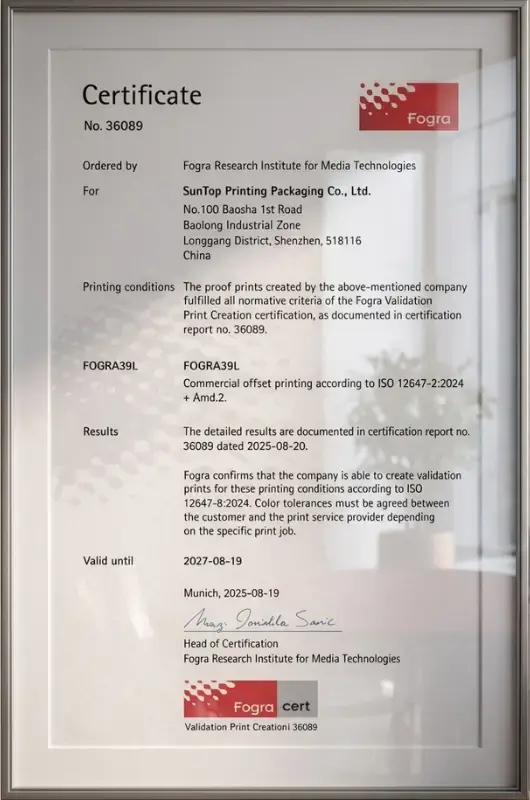
ISO 12647 process control
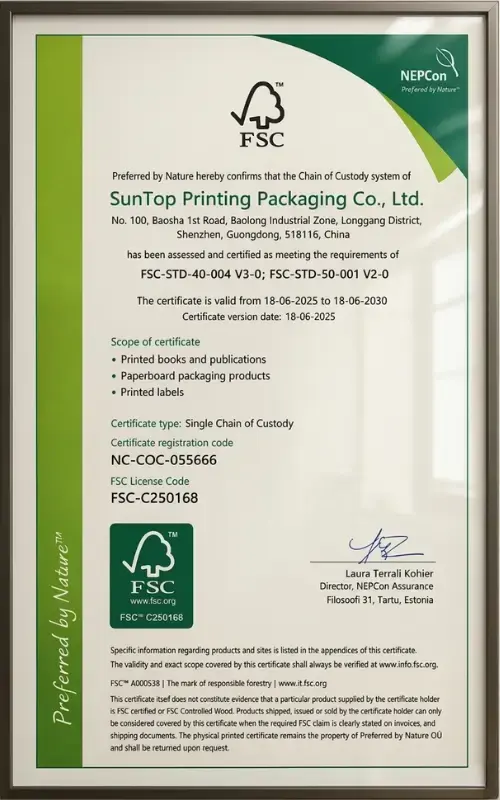
FSC® material options where applicable