
Home / Packaging Boxes / Eco Packaging Materials
Eco Packaging Materials
Eco Packaging Materials Inside Folding-Carton Material Logic
Eco Packaging Materials applies once folding-carton decisions still depend on substrate choice, caliper, coating compatibility, recyclability, or sustainability-claim limits.
Eco Packaging Materials covers single-layer paperboard and cardstock folding-carton programs once material logic becomes the main question. Eco, sustainable, recyclable, and FSC wording may appear only when wording stays tied to actual board choice, coating response, structure limits, and project conditions.
Eco Packaging Materials does not answer generic sustainability promises. Eco Packaging Materials does not answer environmental-positioning stories. Eco Packaging Materials does not answer final commercial review. Material logic remains the only decision axis.
Corrugated eco systems, rigid-box positioning, gift-box routes, transport packaging, and broad environmental-promise writing remain outside Eco Packaging Materials.
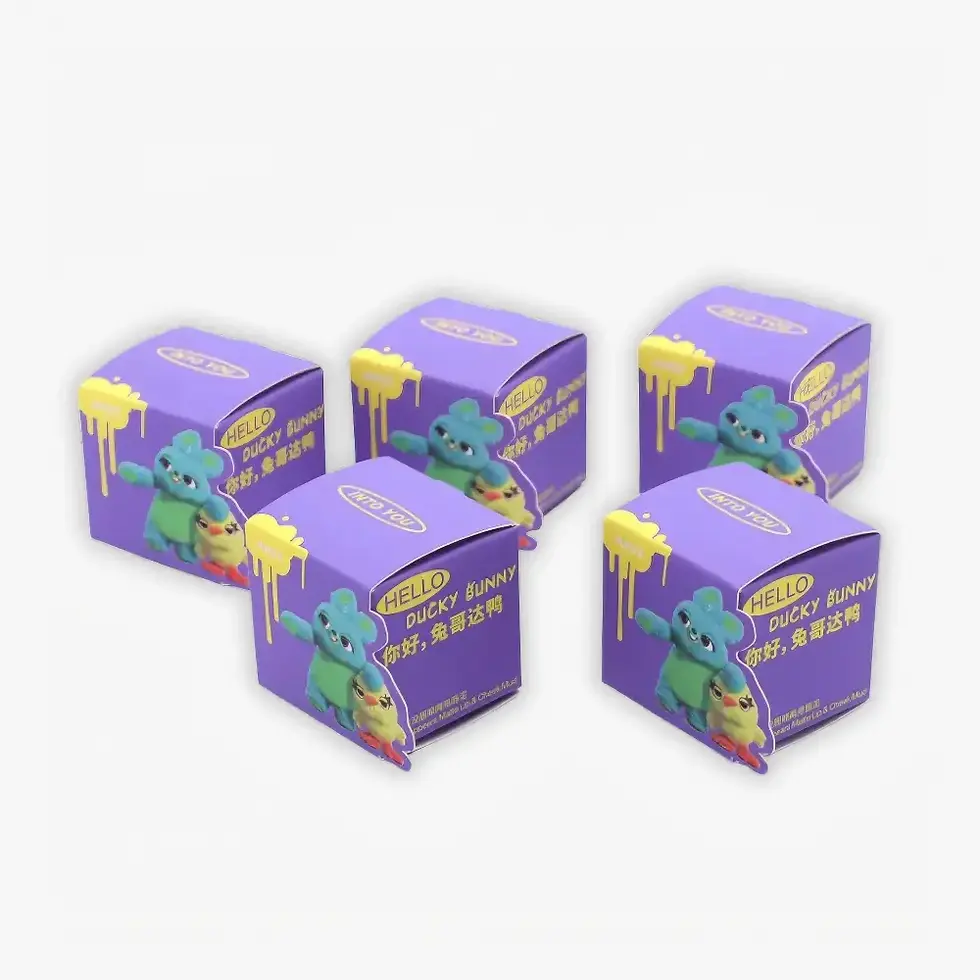

Board Choice, Caliper, and Coating Response
Board family, caliper, coating response, stiffness, fold behavior, print holdout, surface response, and lightweight balance decide material logic in Eco Packaging Materials.
A lighter board can reduce material use and weaken rigidity, fold control, or shelf confidence. A heavier caliper can improve stiffness and change pack-out behavior, gluing response, or flat-pack efficiency. Coating response also matters early. Coating choices can improve protection and narrow recyclability, change tactile feel, or alter print and surface behavior.
SBS paperboard, C1S paperboard, FBB, and white-back paperboard can all belong to the same material-review scope when board family still changes fold precision, surface response, print result, or claim boundaries. Common 18pt–24pt and 300gsm–400gsm ranges can also matter once caliper still affects stiffness, handling, pack-out behavior, or recycling compatibility.
Eco Packaging Materials remains appropriate while board and coating trade-offs still change carton performance.
Recyclability and Claim Boundaries
Recyclability Conditions
Recyclability depends on the full combination of board, coating, print treatment, structure, and intended use rather than board naming alone.
Claim Boundaries
Sustainability wording must stay inside real material conditions. A stronger barrier or protection layer can narrow claim accuracy even when paperboard sounds greener at first view.
Project-Condition Dependence
Recycled content, FSC wording, fiber structure, and coating decisions only stay valid when actual substrate selection, fold behavior, print result, and project conditions remain aligned.
Material Trade-Offs in Real Folding-Carton Use
Material trade-offs appear once board performance, conversion behavior, shelf appearance, recyclability, and claim boundaries do not all move in the same direction.
Higher stiffness can support shelf performance and still change folding behavior. Recycled-content targets can support one sustainability direction and still change surface smoothness, print behavior, or consistency. Kraft or recycled duplex options can support one material direction and still narrow high-finish surface expectations. Coating additions can improve resistance and still complicate repulpability or claim simplicity.
Board-and-coating performance under real project conditions still matters after board naming looks settled. Ink absorption, print result, fiber structure, fold precision, and lightweight balance can all change the practical outcome of the same folding-carton program.
Eco Packaging Materials remains appropriate while material trade-offs still matter more than structure-use review, finish review, or final commercial review. Product-use structure fit should move to Product Packaging Boxes once presentation, support, opening behavior, or handling fit matters more than material trade-offs. Finish behavior should move to Premium Packaging Finishes once gloss contrast, tactile response, foil, embossing, or surface hierarchy matters more than board and coating review. Final commercial review should move to Custom Packaging Boxes once board choice, coating compatibility, recyclability limits, and claim boundaries are stable enough for specification confirmation and production planning.
Confirm board family, caliper, coating response, recyclability limits, and claim boundaries before final review begins. Move forward only after substrate and coating trade-offs stop changing print behavior, fold precision, pack-out behavior, or claim accuracy.
