
Custom Label Printing for Defined Product and Roll-Label Programs
Custom label printing applies when basic label use, application context, and production direction are clear enough for final execution.
Commercially defined custom labels, product labels, printed labels, roll labels, custom roll labels, and pressure sensitive labels fit final custom-label execution only when basic use context, bottle-specific performance, and material logic no longer control the main decision.
The main execution question is whether label size, material direction, adhesive and surface fit, roll format, application method, SKU logic, artwork status, replenishment pattern, and delivery basis can support one stable production setup.
SunTop Printing specializes in controlled custom label printing for commercially defined product and roll-label programs requiring repeatable color, stable roll-format setup, SKU/version control, replenishment continuity, and production handover.
SunTop Printing’s custom label execution work is most reliable when a label program has real product use, defined artwork direction, clear application conditions, and consistent repeat-production requirements. One-time label output, price-only browsing, and undefined label requests usually need clearer product use, artwork direction, application conditions, or repeat-production requirements before reliable execution planning can begin.
Final custom-label execution can move forward when the remaining work is production fit, proof alignment, roll-format control, SKU continuity, replenishment logic, or handover readiness. When material difference, bottle-specific performance, or flexible sticker use still controls the main decision, final execution should begin only after the material direction, bottle-performance condition, or sticker-use scope is clear.

When a Label Program Is Ready for Custom Label Printing
Project Conditions for Custom Label Printing
A label project belongs in Custom Label Printing when labels already support a commercial product, product line, packaging program, replenishment cycle, or SKU system.
Typical fit includes product labels, roll labels for repeat application, multi-SKU label sets, product-line updates, barcode-controlled labels, version-controlled labels, and repeat-order label programs where batch consistency matters.
Execution depends on artwork, label size, application surface, material direction, roll format, finishing expectation, quantity pattern, and handover conditions staying aligned through one coordinated production review.
SunTop Printing supports label work that needs controlled repeat execution, stable proof control, SKU coordination, and production handover.
What Can Still Change Final Execution
Material direction can still change final execution when material-side uncertainty affects proof expectations, roll handling, application behavior, or handover planning.
Bottle-label performance can still change the outcome when container shape, moisture, oil exposure, refrigeration, squeeze handling, or label readability controls the project.
Flexible sticker use remains outside final execution when label work is separate from repeat production, SKU control, roll-format review, or replenishment planning.
After material direction, bottle-label performance, and sticker-use scope stop controlling the project, the remaining work is execution fit, proof alignment, roll-format control, SKU/version continuity, replenishment logic, production fit, or handover readiness.
What Decides Label Execution Fit
Custom label printing becomes stable when print, material direction, roll setup, application, SKU control, and replenishment can support one final execution direction.

Label Size and Shape
Label size, shape, corner radius, edge behavior, and available panel space affect die cutting, artwork placement, barcode readability, and product or package fit.
Wrap labels, front/back label pairs, labels with dedicated barcode areas, tamper-related labels, small-format product labels, and irregular-cut labels can all work inside custom label printing, but each format changes artwork control, cutting tolerance, application behavior, and proof review.

Material Direction and Surface Fit
Material direction matters only as part of final execution review.
Material direction, adhesive condition, application surface, finish sequence, and handling environment must support the same production setup. If material-side uncertainty still changes proof expectations, roll-format handling, application behavior, or handover planning, material direction is not stable enough for final custom label execution.

Print and Color Consistency
Product labels often need color consistency across repeat runs, SKU versions, and replenishment orders.
Brand colors, photographic areas, small text, barcode zones, white ink areas, varnish, lamination, and finish contrast should be reviewed as execution variables rather than isolated decoration choices.
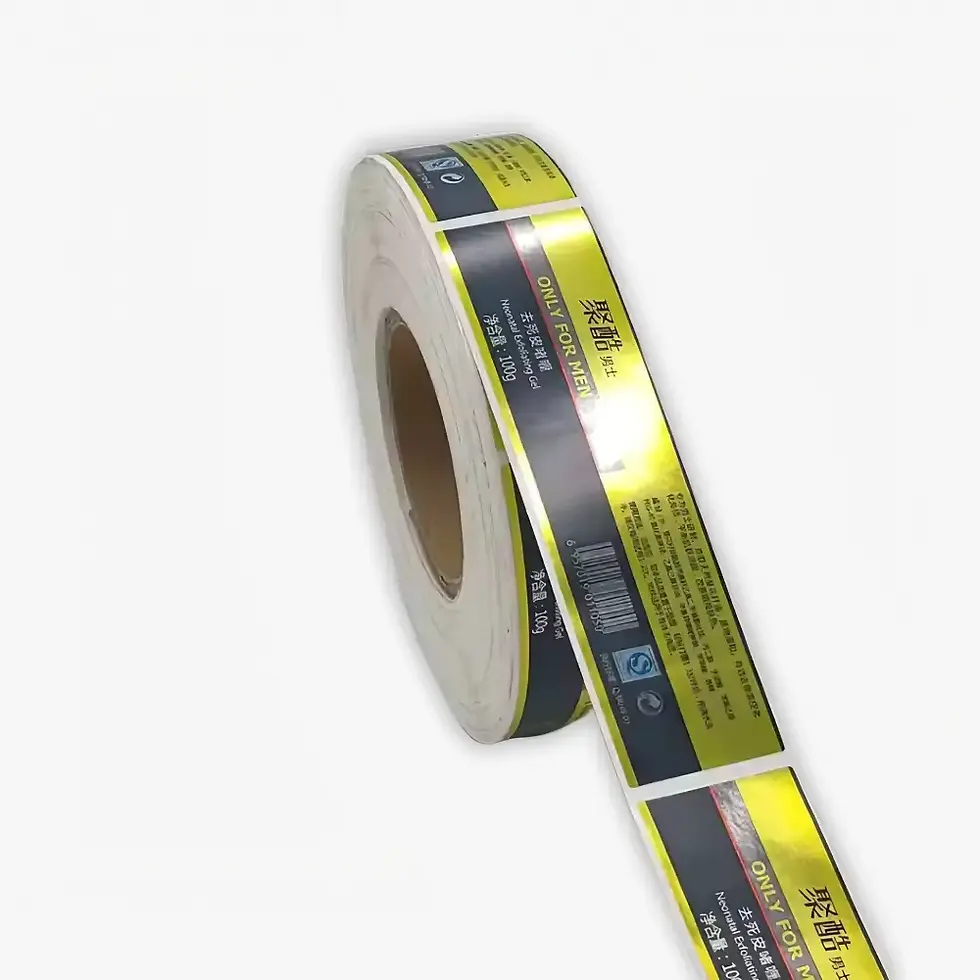
Roll Format and Unwind Direction
Roll labels need practical roll-format review when hand application, dispenser use, semi-automatic labeling, or machine application affects use.
Core size, roll diameter, label gap, label orientation, and unwind direction can affect label feeding, application direction, and production handover.
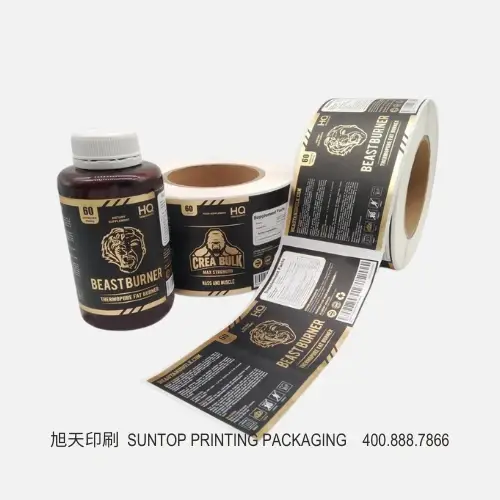
SKU and Version Continuity
Multi-SKU label programs require tighter version control than one isolated label.
Product names, product codes, barcode changes, ingredient panels, batch information, color families, warning text, and language versions can affect whether a label set remains manageable in proofing and production.

Replenishment and Handover
Repeat label programs need production conditions that can repeat without resetting the project each time.
Replenishment quantity pattern, reorder timing, packing method, delivery country, approved artwork version, and proof records all affect whether the same label program can stay stable across future runs.

When Material Direction Is Stable Enough for Execution
Material direction belongs on Custom Label Printing only after material-side uncertainty no longer controls the main label decision.
The execution question is whether the current material direction can stay aligned with adhesive condition, application surface, finish sequence, roll setup, handling requirement, and repeat-production assumptions.
Material direction is not stable enough when material-side uncertainty still changes proof expectations, application behavior, roll-format handling, production assumptions, or handover planning.
When material direction stays stable inside the production setup, Custom Label Printing can continue with proof alignment, roll-format control, SKU/version continuity, replenishment planning, production fit, and handover review.
Roll Format, Application Method, and Production Control
Roll-label execution depends on how the finished label roll will be applied after printing.
Hand application, dispenser use, semi-automatic labeling, and machine application place different pressures on the same label design. A label file may look correct on screen, but the finished roll can still feed in the wrong direction, face the wrong way, apply in the wrong position, or slow the labeling process when roll setup does not match the application method.
For hand application or dispenser use, roll-format review usually focuses on label orientation, roll handling, label spacing, and packing practicality.
For semi-automatic or machine applications, review becomes stricter. Unwind direction, roll orientation, core size, outside diameter limit, liner width, label gap, leading edge, and feed consistency may affect whether the roll works with application equipment.
Unclear roll setup can create avoidable production friction, including misfeeding, upside-down application, wrong-facing labels, off-position placement, slower line operation, or roll packing that does not match the application process.
Product filling, capping, storage, packing, and handling can also affect roll-label performance after delivery. Label programs used with filling lines, dispensers, semi-automatic applicators, or machine-application equipment should confirm roll constraints before production handover.
SunTop Printing reviews roll-label execution by connecting application method, roll setup, artwork control, SKU/version logic, and replenishment planning before production handover.
Review becomes more reliable when application method, label orientation, unwind direction, product surface, equipment requirement, roll-size limit, and liner requirement are clear before production begins.
SKU count and replenishment pattern should also be clear enough to keep roll setup, proof alignment, and production handover consistent.

Proof Alignment Before Repeat Label Production
What Usually Creates Proof Risk
Proof risk usually comes from unstable artwork, changing versions, unclear label size, missing bleed, low-resolution image elements, weak barcode placement, unclear white-ink areas, or text that becomes too small after scaling.
Multi-SKU label programs create additional proof risk because one shared design system may contain small differences across product names, product codes, barcodes, ingredient panels, batch areas, color bands, warning text, or language versions.
Barcode readability can become a proof issue when barcode size, print contrast, quiet area, code type, data sequence, or placement changes across versions.
Serialized barcodes, QR codes, data matrix codes, consecutive numbering, and variable text should be reviewed together with the fixed label artwork when those elements appear in the same label program.
Clear labels, metallic materials, varnish, lamination, and white-underprint areas also need proof alignment because visible-surface behavior can change after printing and finishing.
What Makes Review More Reliable
Review becomes more reliable when artwork is supplied as a production-ready PDF or editable vector file with final trim size, bleed, dieline or cutline, color references, barcode area, white-ink layer where needed, SKU list, and controlled version names.
A 300 DPI image baseline is safer for photographic elements. Vector output is safer for logos, icons, small text, barcode zones, and technical marks.
Variable-data work should keep fixed artwork separate from changing data unless the data source, code type, number range, field positions, and placement areas are clearly identified.
Mass production should follow approved proof alignment. Late artwork changes, SKU corrections, barcode changes, material-direction changes, finish changes, variable-data changes, number-range changes, or roll-format changes can reopen proof review.
SunTop Printing’s label-production review helps keep artwork, proof records, SKU differences, color targets, barcode readability, variable-data details, and repeat-run requirements aligned before production handover.

Repeat-Production Signals for Label Programs
Repeat-production signals clarify whether a label project has moved beyond one-time label handling and can stay consistent through repeat orders, SKU updates, and replenishment cycles.
Repeat Supply Pattern
A repeat supply pattern exists when labels are expected to return as replenishment orders, product-line updates, batch-based reorders, or controlled packaging supply.
Quantity matters only when quantity reflects real production continuity. A larger first order can still remain unstable when artwork, SKU logic, material direction, application method, or roll-format setup remains unclear.
Multi-SKU or Version Control
Multi-SKU label work becomes more production-sensitive when several labels share one design system but differ by product variant, size, language, barcode, ingredient statement, warning text, batch coding area, product claim, or version code.
Version control should be settled before production so one SKU change does not reopen the full label program.
Application and Delivery Stability
Execution stability improves when application method, roll format, packing method, delivery country, and delivery basis are known before production handover.
Hand application, dispenser use, semi-automatic application, and machine application may require different roll-format and packing assumptions. United States, Canada, and Australia label programs may also need delivery-basis planning when labels support replenishment schedules or product-line release timing.
Custom Label Production Control at SunTop Printing
SunTop Printing connects custom label printing with production control, proof discipline, SKU coordination, roll-format review, and handover planning for commercially defined label programs.
SunTop Printing’s custom label printing workflow is built for repeatable print behavior, stable proof records, and consistent output across replenishment cycles.
Repeat production control matters when product labels must remain visually consistent across repeat orders, batch updates, or SKU revisions.
SunTop Printing coordinates multi-SKU label programs so artwork versions, barcode areas, color families, label dimensions, and approval records stay aligned before production.
SKU and version coordination reduces proof confusion when one product line contains several sizes, languages, batches, barcode updates, or version changes.
Roll-Format and Handover Review
SunTop Printing reviews roll-format requirements together with application method, packing assumptions, delivery direction, and production handover needs.
Roll-format and handover review reduces production-transfer friction for hand application, dispenser use, semi-automatic application, or machine application.
Final Check Before Execution Review
Custom label printing fits product-label or roll-label projects that are ready for proof review, roll setup, SKU coordination, repeat supply, and production handover.
When material choice, bottle-use conditions, or flexible sticker use still controls the project, Label Materials, Bottle Labels, or Stickers can clarify the remaining question before final execution.

Request Custom Label Printing Review
Submit a commercially defined custom label, product label, or roll-label program for final execution review.
SunTop Printing can review proof alignment, roll-format control, SKU/version continuity, production fit, replenishment logic, and handover readiness from submitted label specifications.
Useful starting details include label size, application surface, application method, roll format, SKU count, artwork status, quantity pattern, delivery country, and any applicable unwind, equipment, barcode, or variable-data details.

G7® color management
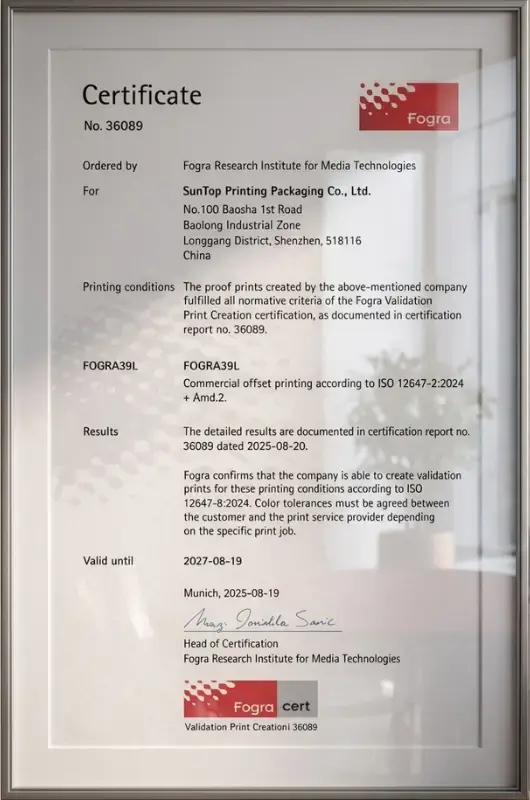
ISO 12647 process control
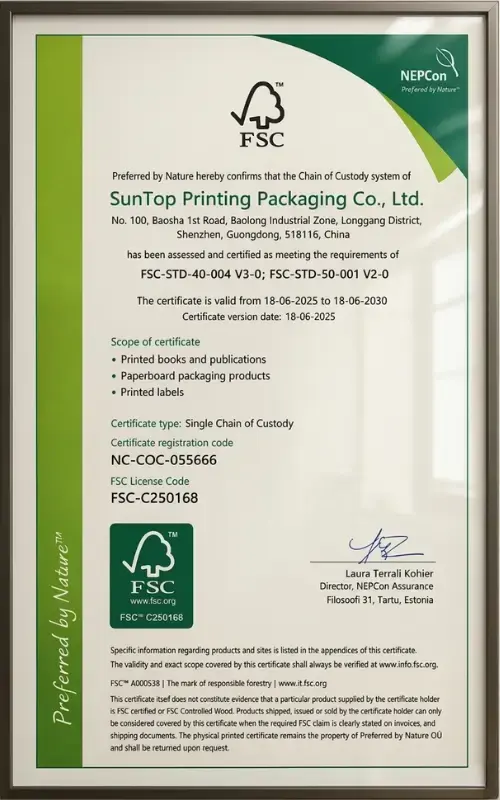
FSC® material options where applicable